

Projects
GRAND CABLE
PROJECTS
Essential Safety Standards for Durable Power PC Cables: What You Must Know
Power PC cables are essential for ensuring efficient electrical transmission in various applications, from industrial machinery to residential power systems. These cables are designed to handle high electrical loads while maintaining safety and performance. To ensure these cables function effectively and safely, adherence to **safety standards** is paramount.
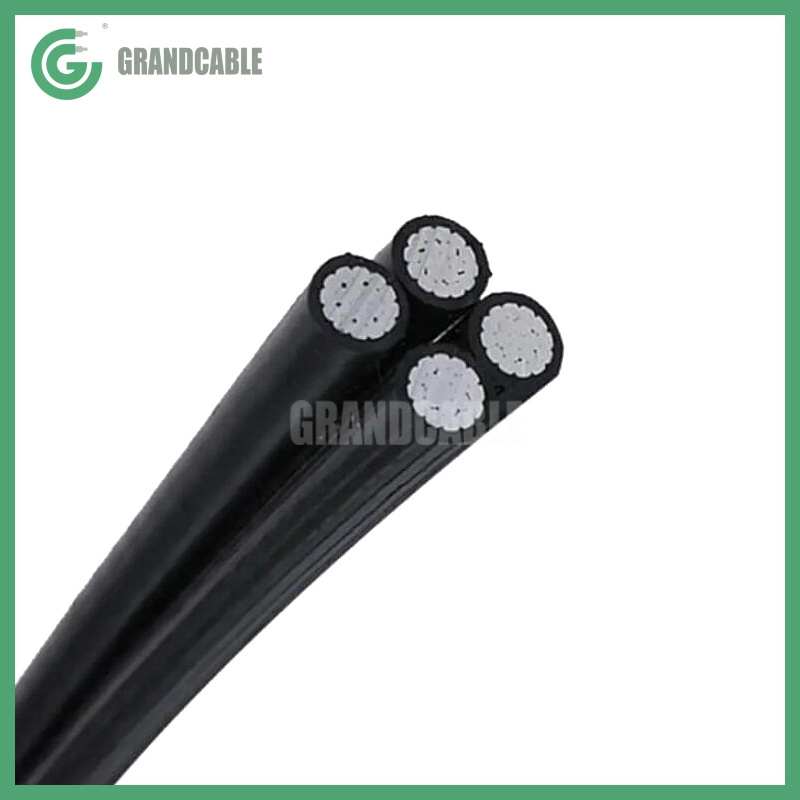
The Importance of Safety Standards in Electrical Installations
Safety standards for power PC cables protect users and equipment from electrical hazards. By complying with recognized standards, manufacturers, installers, and end-users can ensure the durability and reliability of electrical systems. Understanding these standards can help mitigate risks including electrical fires, shocks, and equipment malfunctions.
Key Safety Standards for Durable Power PC Cables
When dealing with durable power PC cables, several standards guide their manufacturing, testing, and utilization. These standards ensure that cables can withstand operational demands while adhering to safety protocols.
UL Standards
Underwriters Laboratories (UL) provides safety certification for many electrical products, including power cables. The primary UL standard applicable to power cables is **UL 62**, which covers flexible cords and cables. This standard assesses various factors including construction, performance, and safety under different environmental conditions.
IEC Standards
The International Electrotechnical Commission (IEC) develops international safety standards. **IEC 60502-1** pertains to power cables with extruded insulation for rated voltages up to 1 kV. This standard details the requirements for design, construction, and testing, ensuring that cables are safe and efficient for use in electrical networks.
NEC Codes
The National Electrical Code (NEC) in the United States provides guidelines for safe electrical installations. Articles within the NEC specifically address wiring methods and materials, including those for power PC cables. Compliance with NEC codes is not only a legal requirement but also a best practice for safety.
Material Requirements for Safe Power Cables
The selection of materials used in power PC cables significantly impacts their safety and durability. High-quality materials ensure that cables can withstand environmental stresses and electrical loads.
Conductors
Conductors, typically made of copper or aluminum, must have excellent conductivity and strength. Copper offers superior conductivity and resistance to corrosion, making it a preferred choice for high-performance applications.
Insulation
Insulation materials must be resistant to heat, moisture, and chemicals. Common insulation types include PVC (Polyvinyl Chloride), XLPE (Cross-Linked Polyethylene), and rubber. Each material has unique properties that affect performance and safety.
Sheathing
The outer sheath of the cable protects internal components from physical damage. It should be robust and resistant to environmental factors such as UV radiation and moisture. Materials like thermoplastic elastomer (TPE) and PVC are commonly used for this purpose.
Best Installation Practices for Power PC Cables
Proper installation techniques are critical to ensuring the safety and longevity of power PC cables. Adhering to the following practices can help mitigate risks:
Planning and Design
Before installation, careful planning and design are essential. This includes calculating the load requirements and selecting the appropriate cable type and size.
Routing and Supports
Cables should be routed carefully to avoid sharp bends and kinks. Adequate support must be provided to prevent mechanical damage, with the use of cable trays or conduits as necessary.
Terminations and Connections
Proper termination techniques are crucial for maintaining the integrity of the electrical connection. Use connectors that meet the required standards and ensure they are installed according to manufacturer specifications.
The Importance of Regular Maintenance
Routine maintenance is vital for the effective performance of power PC cables. Inspections should be conducted periodically to identify signs of wear, damage, or corrosion. Early detection of issues can prevent serious failures and enhance the safety of electrical systems.
Visual Inspections
Regular visual inspections can help identify problems such as frayed insulation, damaged sheathing, or loose connections.
Testing and Monitoring
Employ testing methods such as insulation resistance testing and thermal imaging to monitor the condition of cables. These proactive measures can identify potential failure points before they lead to more significant issues.
Emerging Technologies and Their Impact on Safety Standards
As technology evolves, so do the materials and methods used in power PC cables. Innovations such as smart cables equipped with sensors can provide real-time monitoring of electrical systems. These advancements are expected to influence future safety standards, enhancing both performance and safety.
Conclusion
Understanding the safety standards for durable power PC cables is essential for ensuring the longevity and reliability of electrical systems. By complying with established standards such as UL, IEC, and NEC, you can greatly reduce the risk of electrical hazards. Moreover, adopting best practices in material selection, installation, and maintenance can further enhance safety. As technology advances, staying informed about emerging innovations will be key to maintaining compliance and ensuring the safety of electrical installations.
Related News
Latest information
Would you like to receive email regarding to Grand Cable product release and news?

Copyright © JIANGSU GRAND CABLE CO., LTD All Right Reserved Powered by www.300.cn SEO Business license