

Projects
GRAND CABLE
PROJECTS
Understanding Quality Home Power Wire: Essential Insights for Your Electrical Needs
When it comes to electrical systems in homes, the importance of using quality home power wire cannot be overstated. The right wiring is crucial for ensuring safety, promoting efficiency, and reducing the risk of costly electrical failures. Understanding the characteristics of quality wiring can help homeowners make informed decisions about their electrical installations and repairs.
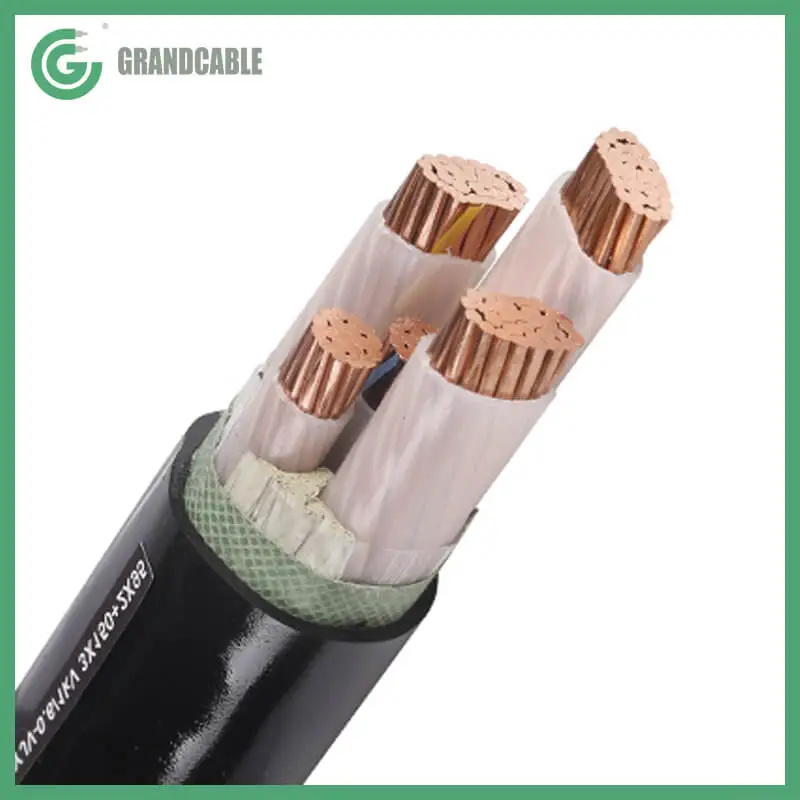
One of the primary aspects to consider when evaluating quality home power wire is the material used. Copper and aluminum are the most common materials for electrical wiring. Among these, copper stands out as the preferred choice due to its excellent conductivity, durability, and resistance to corrosion. While aluminum wires are lighter and less expensive, they can be more prone to oxidation and require special connections to ensure safety.
Another important factor is the wire gauge. Wire gauge refers to the thickness of the wire, which directly affects its current-carrying capacity. A lower gauge number indicates a thicker wire, which can handle more electrical load. Selecting the appropriate gauge for your specific applications is vital to prevent overheating and potential fire hazards. Typically, household wiring ranges from 14 gauge for light circuits up to 6 gauge for heavy-duty appliances.
Quality home power wire is also subjected to various safety standards and regulations. In many regions, electrical wiring must comply with local building codes and the National Electrical Code (NEC). These guidelines ensure that wiring installations meet safety requirements, thereby minimizing risks associated with electrical fires and shocks. When purchasing wiring, look for products that carry certification marks from reputable testing laboratories to ensure compliance.
In addition to material and gauge, insulation type plays a critical role in the quality of home power wire. Insulation protects the wire from environmental factors and prevents electrical leakage. Common types of insulation include thermoplastic and thermoset materials, each offering different levels of heat resistance and durability. It’s crucial to choose insulation that matches the specific requirements of the installation location, such as exposure to moisture or extreme temperatures.
When selecting quality home power wire, consider the application for which it will be used. Different wires are designed for various functions, including indoor vs. outdoor use, as well as for specialized systems like home automation or solar power installations. Understanding the specific requirements of your project will help you choose the right type of wire.
Understanding the attributes of quality home power wire, such as material, gauge, safety compliance, and insulation type, is essential for any electrical project. By prioritizing these factors, homeowners can enhance safety, efficiency, and longevity in their electrical systems, ensuring a reliable power supply for their homes.
Related News
Latest information
Would you like to receive email regarding to Grand Cable product release and news?

Copyright © JIANGSU GRAND CABLE CO., LTD All Right Reserved Powered by www.300.cn SEO Business license