

Projects
GRAND CABLE
PROJECTS
Unraveling the Benefits of Soft Drawn Wire in Electrical Applications
1. Introduction to Soft Drawn Wire
In the realm of electrical engineering, the choice of materials is critical for efficiency and safety. Among these materials, **soft drawn wire** stands out due to its unique properties that cater to a variety of electrical applications.
2. What is Soft Drawn Wire?
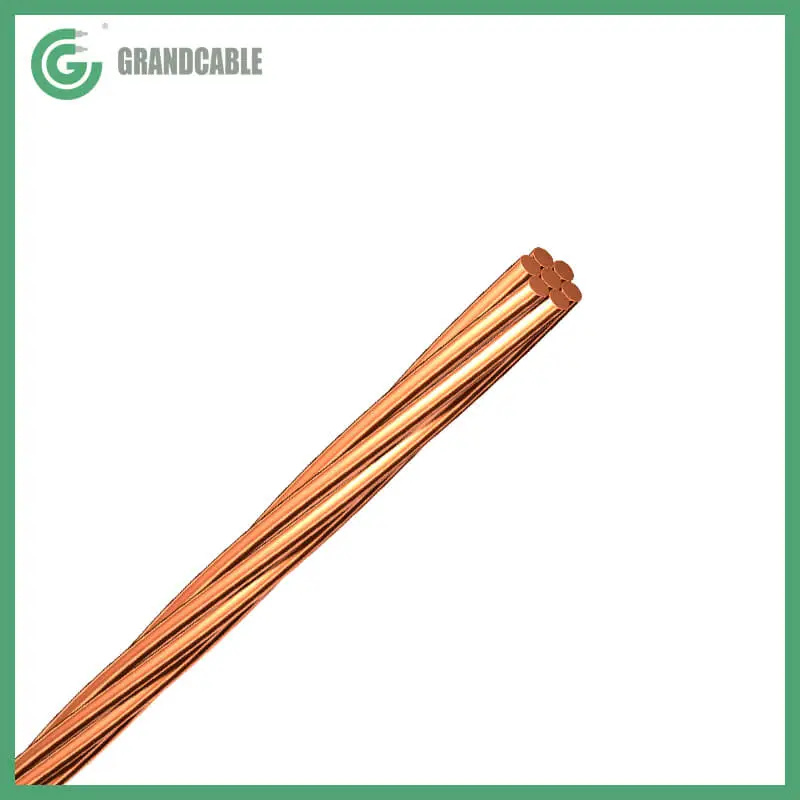
Soft drawn wire is characterized by its unique manufacturing process, which involves drawing the wire through a series of dies. This technique enhances the wire's ductility, making it easier to manipulate and install. Soft drawn wire is typically made from high-quality copper, known for its excellent conductivity, making it an ideal choice for various electrical applications.
The term "soft" refers to the wire's reduced hardness compared to other wire types, allowing it to be easily bent and shaped without cracking or breaking. This flexibility is crucial in applications where wires need to navigate complex designs or tight spaces.
3. Benefits of Soft Drawn Wire in Electrical Applications
Soft drawn wire offers several advantages that make it a popular choice in electrical applications. Understanding these benefits can help engineers and electricians make informed decisions when selecting materials for their projects.
3.1 Enhanced Conductivity
One of the primary benefits of soft drawn wire is its **enhanced electrical conductivity**. Copper, the most common material used for soft drawn wire, has a low resistivity, allowing electricity to flow with minimal resistance. This property is essential in electrical applications where efficiency is paramount, ensuring that power loss is minimized and performance is optimized.
3.2 Flexibility and Malleability
The **flexibility** of soft drawn wire is another significant advantage. Its ability to be easily manipulated without compromising its integrity makes it ideal for complex wiring systems. Electricians can bend, twist, and shape the wire to fit specific design requirements, ensuring that installations are both functional and aesthetically pleasing. This malleability is particularly beneficial in tight spaces or intricate layouts, where standard wires may not suffice.
3.3 Corrosion Resistance
Soft drawn wire exhibits excellent **corrosion resistance**, especially when coated with protective materials. This resistance is crucial in environments where moisture and chemicals may be present, such as outdoor installations or industrial settings. By preventing corrosion, soft drawn wire maintains its conductivity and structural integrity over time, reducing the need for frequent replacements and repairs.
3.4 Thermal Stability
In electrical applications, managing heat is vital for safety and performance. Soft drawn wire demonstrates remarkable **thermal stability**, allowing it to withstand high temperatures without degrading. This characteristic is especially important in applications where wires may be exposed to fluctuating temperatures or heavy electrical loads. By ensuring that the wire remains stable under thermal stress, engineers can design safer and more reliable systems.
4. Applications of Soft Drawn Wire
Soft drawn wire's unique properties make it suitable for various applications across multiple industries. Understanding where and how it is used can highlight its importance in electrical engineering.
4.1 Electrical Wiring
In residential and commercial buildings, soft drawn wire is widely used for **electrical wiring**. Its flexibility allows for easy installation in walls, ceilings, and conduits, providing an efficient means of distributing electrical power throughout a property. Additionally, its high conductivity ensures that appliances and devices operate effectively, contributing to the overall functionality of the electrical system.
4.2 Electronic Devices
Soft drawn wire plays a crucial role in the manufacturing of **electronic devices**. From smartphones to computers, the wire's ability to handle complex circuitry makes it an essential material in modern electronics. Engineers rely on soft drawn wire for its reliable performance and adaptability to tiny spaces within devices.
4.3 Automotive Industry
The **automotive industry** also benefits significantly from the use of soft drawn wire. As vehicles become increasingly sophisticated, the need for reliable wiring solutions grows. Soft drawn wire facilitates connections for power distribution, communication systems, and safety features, contributing to the overall efficiency and safety of modern vehicles.
5. Comparing Soft Drawn Wire to Other Types of Wire
When selecting wire for electrical applications, it’s essential to compare soft drawn wire with other wire types, such as hard drawn wire and stranded wire.
**Hard drawn wire** is stiffer and less flexible, making it less suitable for applications requiring intricate installations. While it can withstand higher mechanical stress, its rigidity limits its use in complex designs.
**Stranded wire**, on the other hand, consists of multiple smaller wires twisted together, which enhances flexibility but reduces overall conductivity. For applications where electrical efficiency is critical, soft drawn wire often emerges as the superior choice.
6. How to Choose the Right Soft Drawn Wire for Your Needs
Choosing the right soft drawn wire involves several considerations, including:
- **Gauge Size**: The wire gauge determines its thickness and, subsequently, its conductivity. Selecting the appropriate gauge ensures that the wire can handle the required electrical load without overheating.
- **Material Quality**: Opt for high-purity copper to maximize conductivity and durability. Checking for certifications from manufacturers can help ensure quality.
- **Environmental Suitability**: Consider the environment in which the wire will be installed. For outdoor or harsh conditions, select wire with appropriate coatings for enhanced corrosion resistance.
- **Application Requirements**: Each application may have specific needs regarding flexibility, bend radius, and thermal resistance. Assessing these factors will guide you in making the correct choice.
7. Maintenance and Handling of Soft Drawn Wire
Proper maintenance and handling of soft drawn wire contribute to its longevity and performance. Here are some best practices:
- **Storage Conditions**: Keep wire stored in a dry, cool place to prevent moisture accumulation that can lead to corrosion.
- **Avoid Physical Damage**: Handle wires carefully to avoid kinks and bends that could compromise their integrity during installation.
- **Regular Inspections**: Periodically inspect installations for signs of wear or damage. Early detection can prevent larger issues and prolong the lifespan of the electrical system.
8. Frequently Asked Questions
1. What is the difference between soft drawn wire and hard drawn wire?
Soft drawn wire is more flexible and has higher electrical conductivity, while hard drawn wire is stiffer and more suitable for applications requiring structural strength.
2. Can soft drawn wire be used outdoors?
Yes, soft drawn wire can be used outdoors, especially if it is coated with protective materials to enhance corrosion resistance.
3. What are common applications for soft drawn wire?
Common applications include electrical wiring in buildings, electronic devices, and automotive wiring systems.
4. How do I choose the right gauge for my soft drawn wire?
Select the wire gauge based on the electrical load requirements of your application, ensuring that it can handle the necessary current without overheating.
5. Is maintenance necessary for soft drawn wire installations?
Yes, regular maintenance, including inspections and proper storage, is essential to ensure the longevity and effectiveness of soft drawn wire installations.
9. Conclusion
The benefits of soft drawn wire in electrical applications are profound and multifaceted. From **enhanced conductivity** to **flexibility**, this wire type provides essential advantages for a wide range of applications. As technology continues to evolve, so too will the demands placed on electrical materials. By understanding the unique properties and applications of soft drawn wire, engineers and electricians can make informed decisions that enhance the efficiency and safety of their electrical systems. Embracing soft drawn wire as a standard component in electrical applications will undoubtedly contribute to the advancement of modern electrical engineering.
Related News
Latest information
Would you like to receive email regarding to Grand Cable product release and news?

Copyright © JIANGSU GRAND CABLE CO., LTD All Right Reserved Powered by www.300.cn SEO Business license